

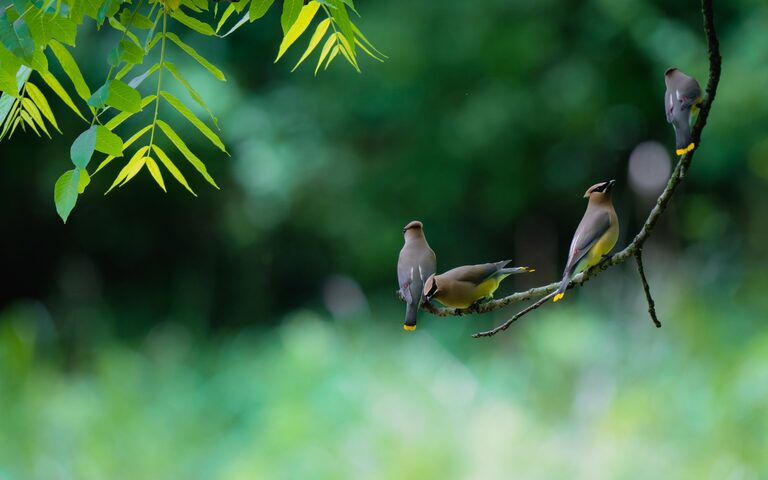
Birdwatching is a rewarding and relaxing hobby that can be enjoyed right from your backyard. Whether you live in a bustling city or a quiet suburb, observing birds can connect you with nature and bring a sense of peace to your day. If you’re new to birdwatching, this guide will help you get started with some simple and practical tips to attract and identify birds near your home.
Why Backyard Birdwatching?
Birdwatching doesn’t require expensive gear or a lot of time. Watching birds from your window or garden offers numerous benefits:
– It’s a great way to learn about local wildlife.
– It encourages mindfulness and patience.
– It’s suitable for all ages and skill levels.
– It provides a chance to support local ecosystems by creating bird-friendly spaces.
Now, let’s dive into how to begin your backyard birdwatching journey.
Setting Up Your Backyard for Birdwatching
1. Create a Bird-Friendly Habitat
Birds are attracted to places where they can find food, water, and shelter. Try to incorporate these elements into your yard:
– Native plants: Plant flowers, shrubs, and trees that are native to your region. Native plants provide natural food sources like seeds, berries, and nectar.
– Water source: A birdbath or a small fountain offers birds a place to drink and bathe. Make sure to keep the water fresh and clean.
– Shelter: Dense shrubs, trees, or nesting boxes give birds places to rest and hide from predators.
2. Choose the Right Bird Feeders
Different birds prefer different types of feeders and food. Some common feeder types include:
– Tube feeders: Great for small songbirds like finches and chickadees.
– Platform feeders: Open trays that attract a wide variety of birds, including larger ones.
– Suet feeders: Ideal for woodpeckers and other insect-eaters.
For starter food options, try black oil sunflower seeds, peanuts, and nyjer seeds. Avoid bread and processed foods, as they are not healthy for birds.
3. Position Your Feeders Safely
Place feeders where you can easily observe birds but where birds feel safe. Ideally:
– Near natural cover like shrubs or trees.
– Away from windows to prevent bird collisions.
– At least 5 feet above the ground to reduce risk from predators.
Tools and Tips for Birdwatching Beginners
1. Get a Field Guide or Use an App
A bird identification guide tailored to your region is a great tool. It will help you learn bird names, calls, and distinguishing features. Smartphone apps with photos and sounds can also be handy for on-the-go ID.
2. Use Binoculars
A pair of binoculars designed for birdwatching (usually 7x to 10x magnification) can enhance your viewing experience. You don’t need to invest in expensive optics right away; even a basic pair will provide a closer look.
3. Keep a Bird Journal
Record the birds you see each day. Note their species, behavior, time of day, and weather. This practice helps you track which birds visit your backyard and improves your identification skills.
Observing Birds: Tips for Success
1. Be Patient and Quiet
Birds are easily startled. Approach your birdwatching spot slowly and remain still. Speak softly or not at all. The more time you spend quietly observing, the more natural behavior you will see.
2. Watch at Different Times of Day
Bird activity changes throughout the day. Early mornings and late afternoons are usually the best times to see a variety of birds feeding and flying.
3. Learn Bird Behavior
Noticing how birds act can help you recognize species and understand their needs. For example, some birds forage on the ground while others search for insects in trees.
Common Backyard Birds to Expect
Depending on where you live, your yard might attract:
– Sparrows
– Cardinals
– Blue jays
– Chickadees
– Robins
– Woodpeckers
– Finches
– Wrens
As you gain experience, you’ll start to recognize distinct calls and appearances more easily.
Encouraging Bird Conservation
By making your backyard welcoming to birds, you’re helping local wildlife thrive. To support conservation efforts further:
– Avoid using pesticides in your garden.
– Provide natural nesting materials.
– Participate in local bird counts and citizen science projects.
In Summary
Backyard birdwatching is a fun and accessible way to connect with the natural world. By creating a bird-friendly habitat, using helpful tools, and practicing patience, beginners can enjoy observing a variety of beautiful bird species right outside their homes. Start small, stay curious, and watch as your backyard comes alive with feathered friends!