

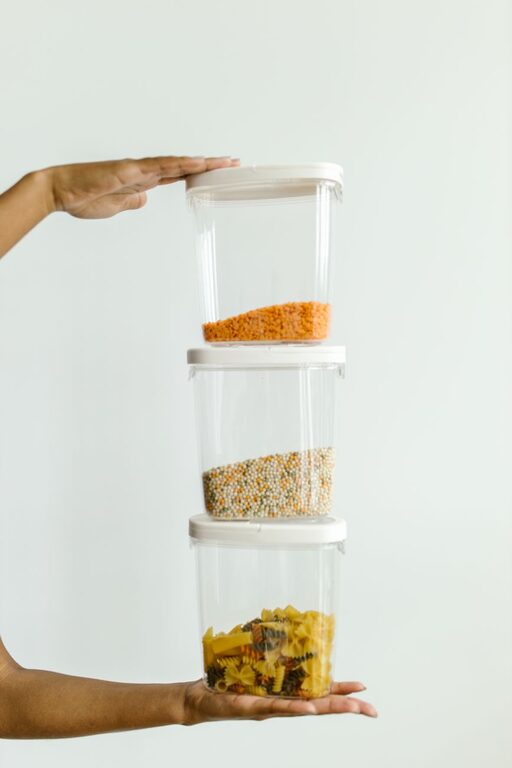
Planning meals around pantry staples is a smart way to simplify your cooking routine, save money, and reduce food waste. Whether you’re new to meal planning or looking for ways to make better use of what you already have, this guide will help you turn those shelf essentials into tasty, satisfying meals. Let’s explore practical tips, pantry must-haves, and simple meal ideas that you can customize to your preferences.
Why Plan Meals Using Pantry Staples?
Using pantry staples as the foundation of your meal planning offers several benefits:
– Convenience: You can create meals without frequent grocery trips.
– Budget-friendly: Staples like rice, beans, and canned goods are typically affordable.
– Reduced waste: Planning helps you use what you have before it expires.
– Flexible cooking: Pantry items pair well with fresh ingredients or proteins you may have on hand.
By organizing your pantry and understanding your staple ingredients, you can easily whip up a variety of meals with minimal stress.
Step 1: Take Inventory of Your Pantry Staples
Start by taking stock of everything in your pantry. Common staples include:
– Grains: rice, pasta, quinoa, oats, couscous
– Legumes: canned or dried beans, lentils, chickpeas
– Canned goods: tomatoes, corn, vegetables, broth
– Baking essentials: flour, sugar, baking powder, yeast
– Oils and vinegars: olive oil, vegetable oil, balsamic or apple cider vinegar
– Spices and seasonings: salt, pepper, garlic powder, paprika, dried herbs
– Nuts and seeds: almonds, walnuts, sunflower seeds
– Other: nut butters, canned tuna or salmon, coconut milk
Write down the quantities and expiration dates to understand what you need to use soon.
Step 2: Plan Balanced Meals Around Staples
A well-balanced meal typically includes:
– A carbohydrate source: grain or starchy vegetable
– Protein: beans, lentils, canned fish, eggs, or fresh meat if available
– Vegetables: fresh, frozen, or canned
– Fat: cooking oils, nuts, or avocado
Using your pantry staples, plan meals that combine these components. Here are some ideas:
Sample Meal Ideas
– Rice and Bean Bowl: Cook rice, season canned beans with spices, and top with salsa or canned corn.
– Pasta with Tomato Sauce: Use canned tomatoes and dried pasta, add garlic and herbs, and sprinkle with cheese if available.
– Lentil Soup: Simmer lentils with canned vegetables and broth for a hearty soup.
– Chickpea Curry: Use canned chickpeas with coconut milk and spices over rice.
– Tuna Salad: Mix canned tuna with mayonnaise or olive oil, add beans or corn, and serve over greens.
Step 3: Create a Weekly Meal Plan
Once you know what you have, organize your meals into a weekly plan. Consider:
– Variety: Rotate protein sources and recipes to avoid repetition.
– Prep time: Mix quick meals with those that require longer cooking.
– Use fresh ingredients wisely: Pair pantry items with fresh vegetables or herbs as you shop.
Write your meal plan on paper or use a digital app. This makes grocery shopping more focused and helps avoid impulse buys.
Step 4: Shop Smart to Supplement Your Pantry
When you do shop, buy fresh items that complement your pantry staples:
– Fresh vegetables like spinach, carrots, and bell peppers
– Fruits for snacks or desserts
– Fresh proteins such as chicken, eggs, or tofu if desired
– Dairy or dairy alternatives for enrichment
Buying in smaller quantities or frozen versions can prevent waste and keep your meals flexible.
Step 5: Organize Your Pantry for Easy Access
An organized pantry helps you quickly see what you have and what’s running low. Tips include:
– Use clear, labeled containers for grains and legumes.
– Group similar items together (baking supplies, canned goods, spices).
– Place frequently used items at eye level.
– Rotate stock so older items are used first.
– Keep a notepad on the pantry door for notes or shopping lists.
Step 6: Tips for Cooking with Pantry Staples
– Batch cook: Prepare large portions of grains or beans to use throughout the week.
– Experiment with spices: A small change in seasoning can turn the same staples into a different cuisine (Mexican, Italian, Indian).
– Use simple cooking methods: Boiling, sautéing, and slow cooking work well with pantry ingredients.
– Don’t forget texture: Add crunch with nuts or seeds, or creaminess with nut butters or yogurt.
Conclusion
Planning meals from pantry staples is a practical and rewarding approach to cooking. With some organization and creativity, you can transform simple ingredients into delicious, nutritious meals. This strategy not only saves time and money but also encourages healthier eating habits by making meal preparation less stressful. Start by taking inventory, then plan balanced meals, shop smartly, and keep your pantry organized. Soon, you’ll enjoy the confidence and satisfaction that comes with cooking from what you have.
Happy cooking!