

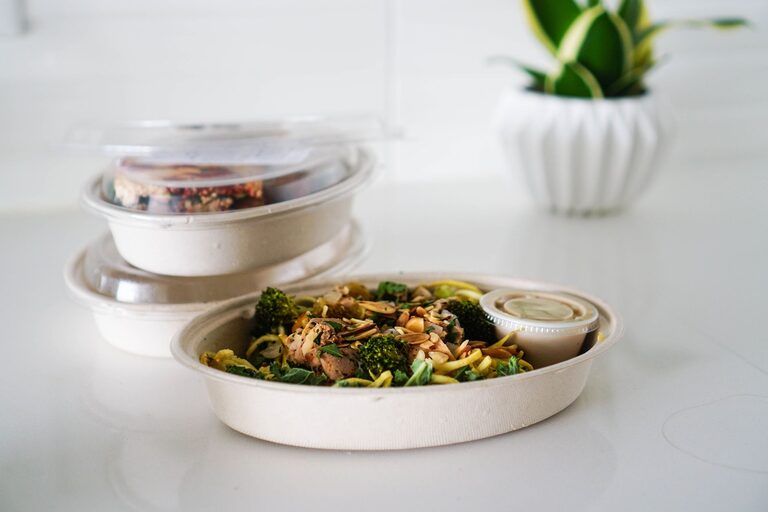
Meal prepping is a great way to save time, reduce stress, and eat healthier during busy weeks. Whether you have a hectic work schedule, family commitments, or both, dedicating a little time to plan and prepare your meals in advance can make your life much easier. In this post, we’ll explore easy meal prep ideas that anyone can follow, even if you’re new to cooking or pressed for time.
Why Meal Prep?
Meal prepping involves planning, preparing, and sometimes cooking meals ahead of time. This practice helps:
– Save time during busy weekdays
– Reduce last-minute unhealthy food choices
– Minimize cooking stress
– Save money by avoiding takeout or convenience foods
– Control portion sizes and nutrition
With these benefits in mind, let’s dive into some practical tips and ideas.
Getting Started with Meal Prep
Before you start cooking, it’s helpful to organize your prep session. Here are some steps to set you up for success:
1. Plan Your Meals
Choose simple recipes that you enjoy, and that can be made in bulk. Consider your week’s schedule to determine how many meals you will need.
2. Make a Grocery List
Write down all ingredients to avoid multiple trips to the store. Stick to your list to keep costs down.
3. Gather Containers
Use airtight containers or jars suitable for fridge or freezer storage. Having the right containers ensures your meals stay fresh.
4. Set Aside Time
Block out 1-2 hours on a weekend or a day off for meal prep. This investment will save you time later.
Easy Meal Prep Ideas
Here are some straightforward meal ideas categorized by meal type.
Breakfast Prep Ideas
Starting your day with a prepared breakfast can set a positive tone.
– Overnight oats: Combine rolled oats, milk (or a plant-based alternative), chia seeds, and your favorite fruit in a jar. Refrigerate overnight and grab it in the morning.
– Egg muffins: Whisk eggs with veggies, cheese, and seasonings, then bake in a muffin tin. Store in the fridge and reheat throughout the week.
– Smoothie packs: Pre-portion fruits and greens into freezer bags. In the morning, add liquid and blend for a quick smoothie.
Lunch Prep Ideas
Lunches that are easy to grab and go make busy days manageable.
– Mason jar salads: Layer salad ingredients like lettuce, veggies, protein, and dressing in a jar to keep everything fresh.
– Grain bowls: Cook a large batch of quinoa or rice and pair with roasted vegetables and a protein such as chicken, tofu, or beans.
– Wraps or sandwiches: Prepare fillings in advance and assemble sandwiches or wraps the night before.
Dinner Prep Ideas
Dinner can be the most challenging when you’re tired. Preparing parts of your meal ahead can help.
– Sheet pan meals: Roast a combination of veggies and protein on a sheet pan. Make several portions and store in containers.
– Slow cooker recipes: Use your slow cooker to prepare stews, soups, or chili that can be portioned out for several nights.
– Pasta dishes: Cook pasta and sauce separately, then combine when you’re ready to eat. Add veggies or protein for a balanced meal.
Snack Prep Ideas
Healthy snacks keep your energy up and prevent unhealthy cravings.
– Cut veggies and hummus: Pre-cut carrots, cucumbers, and bell peppers and portion out hummus for dipping.
– Energy balls: Mix oats, nut butter, honey, and add-ins like chocolate chips or dried fruit. Roll into balls and refrigerate.
– Fruit cups: Portion fresh or frozen fruit into cups for easy grab-and-go snacks.
Tips for Successful Meal Prep
– Batch cook staples: Cook large amounts of rice, pasta, or proteins like chicken breasts that can be used in multiple dishes.
– Use versatile ingredients: Choose foods that work in several meals to keep prep simple and ingredients fresh.
– Label your containers: Write the date and contents on each container to easily track freshness.
– Freeze meals: Freeze portions for longer storage and defrost as needed.
– Stay flexible: It’s okay if you don’t stick to your plan perfectly. Use leftovers creatively to avoid waste.
Sample Meal Prep Schedule
Here’s an example of how you might organize your meal prep session:
– 0:00–0:15 Gather ingredients and set up containers
– 0:15–0:45 Cook grains and protein (e.g., bake chicken, cook quinoa)
– 0:45–1:15 Roast vegetables and prepare salads
– 1:15–1:30 Portion meals into containers and label
– 1:30–1:45 Clean up kitchen and store meals
Conclusion
Meal prepping doesn’t have to be complicated or time-consuming. Starting with these easy ideas can help you save time, eat better, and reduce daily stress. Experiment with different recipes and find what works best for your taste and schedule. With a little planning, busy weeks can be much more manageable and enjoyable.
Happy prepping!